Don’t Let Viruses Win: How to Scan Your Computer and Keep it Virus-Free
In an increasingly interconnected digital world, the threat of viruses and malware looms large. From personal data breaches to system crashes, the consequences of a compromised computer can be severe. Understanding the critical role of proactive defense is paramount in safeguarding your digital life. This comprehensive guide will equip you with the knowledge and tools to effectively combat these digital invaders, ensuring your computer remains a secure and reliable platform for all your activities.
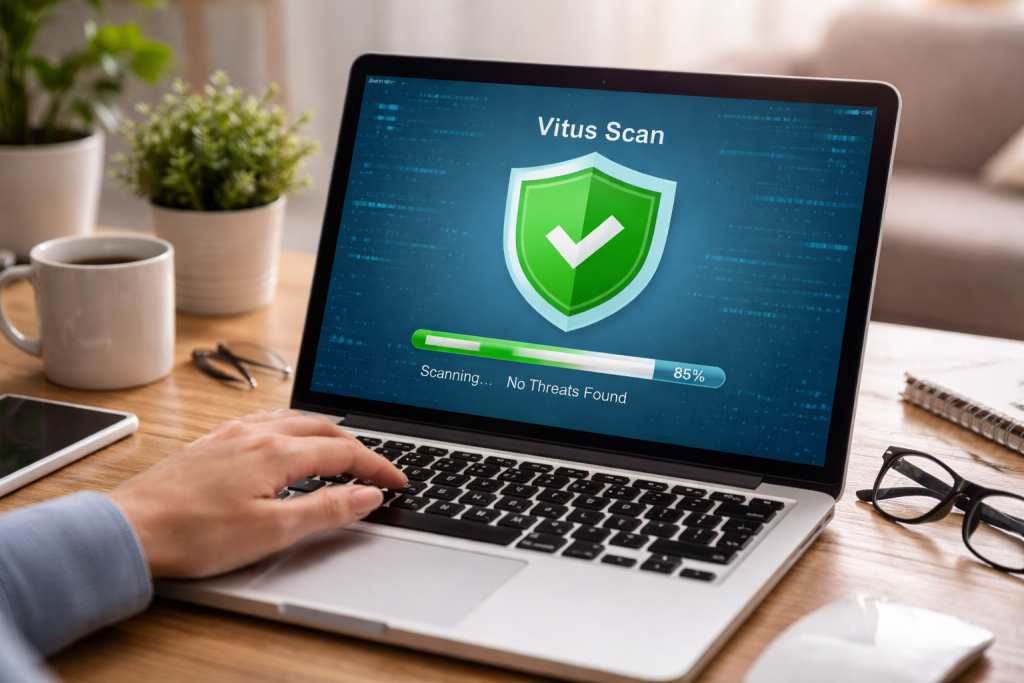
The digital landscape is a battleground, and viruses are the silent saboteurs. These malicious programs, designed to infiltrate, disrupt, and steal, can lie dormant for extended periods, silently gathering information or preparing for a destructive attack. The danger is not just theoretical; it’s a constant, evolving threat.
Contents
- 0.1 The Ever-Evolving Threat Landscape
- 0.2 Beyond Obvious Symptoms: Catching the Silent Invaders
- 0.3 Factors to Consider for Optimal Protection
- 0.4 Free vs. Paid: Weighing the Benefits
- 0.5 Setting Up Automatic Scans for Consistent Protection
- 0.6 Beyond the Automated: When to Perform Manual Scans
- 0.7 Performance Degradation and Unusual Behavior
- 0.8 Unwanted Pop-ups, Redirects, and System Changes
- 0.9 Isolation and Initial Scan
- 0.10 Removal, Quarantine, and Verification
- 0.11 Leveraging Firewalls and Anti-Malware Tools
- 0.12 The Power of Updates: Keeping Your Software Current
- 0.13 Navigating the Web Safely and Downloading Responsibly
- 0.14 The Lifeline: The Importance of Regular Data Backups
- 0.15 When to Recognize Your Limitations
- 1 FAQs
- 1.1 1. Why is it important to regularly scan your computer for viruses?
- 1.2 2. How do I choose the right antivirus software for my needs?
- 1.3 3. What are some common signs of a virus infection on my computer?
- 1.4 4. Why is it important to keep my operating system and software updated?
- 1.5 5. What are the best practices for safe browsing and downloading to prevent virus infections?
- 1.6 About the Author
The Ever-Evolving Threat Landscape
New viruses and strains emerge daily, each more sophisticated than the last. These threats exploit vulnerabilities in software, operating systems, and even human behavior. Without vigilant scanning, your computer becomes a vulnerable target, a door left ajar to potential digital espionage or sabotage. Regular scans act as your digital immune system, constantly checking for anomalies and neutralizing threats before they can cause significant damage. They are not a one-time solution but a continuous process of vigilance, adapting to the dynamic nature of cyber threats.
Beyond Obvious Symptoms: Catching the Silent Invaders
Many users only consider scanning their computer when they notice egregious symptoms like slow performance, pop-up ads, or system crashes. However, many viruses operate silently in the background, siphoning off data, monitoring your activities, or preparing for a future attack without any immediate, overt signs. Regular scans are crucial for detecting these clandestine invaders before they can inflict substantial harm. They can uncover hidden malware that would otherwise go unnoticed, providing early detection that can save you from significant data loss, identity theft, or even financial ruin. Early detection is key to minimizing the impact of any infection.
The market is flooded with antivirus solutions, each promising impenetrable protection. Navigating this vast selection can be daunting, but choosing the right software is a critical decision in your cybersecurity strategy. Not all antivirus programs are created equal, and what works for one user may not be ideal for another.
Factors to Consider for Optimal Protection
When selecting antivirus software, several factors should weigh into your decision. First and foremost, consider its detection rates and overall effectiveness in identifying and removing various types of malware. Independent testing labs often publish reports on antivirus performance, offering valuable insights. Secondly, assess the software’s impact on your system’s performance. A heavy, resource-intensive program can slow down your computer, hindering your user experience. Look for software that offers robust protection without significantly impacting your system’s speed. Thirdly, evaluate the range of features offered. Beyond basic virus scanning, many programs include firewalls, anti-phishing protection, ransomware protection, and parental controls. Determine which additional features align with your specific needs and usage patterns. Finally, consider the user interface and ease of use. An intuitive and straightforward interface will encourage regular use and make managing your security settings less of a chore.
Free vs. Paid: Weighing the Benefits
The decision between free and paid antivirus software often comes down to the level of protection and features you require. Free antivirus software can offer basic protection against common threats and is a good starting point for users with limited needs. However, they often lack advanced features like real-time protection against zero-day exploits, comprehensive firewalls, and customer support. Paid antivirus solutions, on the other hand, typically offer more robust and multifaceted protection, including advanced threat detection, dedicated customer support, and a wider array of security tools. For individuals and businesses handling sensitive data or engaging in frequent online transactions, investing in a reputable paid antivirus solution is a wise decision, providing an added layer of peace of mind and significantly enhancing your overall security posture.
Once you’ve equipped your computer with a robust antivirus solution, the next crucial step is to integrate regular scanning into your routine. Automatic, scheduled scans are the cornerstone of continuous protection, ensuring no stone is left unturned in your fight against digital threats.
Setting Up Automatic Scans for Consistent Protection
Modern antivirus software invariably includes options for scheduling automatic scans. This feature is invaluable as it eliminates the need for manual intervention and reduces the chances of forgetting to run a scan. It’s recommended to schedule full system scans at least once a week, preferably during off-peak hours when you’re not actively using your computer, to minimize any potential disruption. Additionally, configure your antivirus to perform quick scans more frequently, perhaps daily, to rapidly check critical areas of your system for new or rapidly spreading threats. Regular, automated scanning ensures that your defense is always active and constantly monitoring for new intrusions.
Beyond the Automated: When to Perform Manual Scans
While automatic scans are essential, there are specific scenarios where manually initiating a scan is highly recommended. If you’ve recently downloaded files from an untrusted source, installed new software, or received suspicious emails with attachments, a targeted manual scan of those specific items or your entire system can provide immediate reassurance. Furthermore, if you notice any unusual computer behavior, such as unexplained slowdowns, pop-up ads, or unusual network activity, a manual scan should be your immediate course of action. Acting quickly in such situations can help identify and neutralize a burgeoning threat before it can cause widespread damage.
Even with the best antivirus software and regular scanning, new and highly evasive threats can sometimes slip through the cracks. Being able to recognize the tell-tale signs of a virus infection is crucial for swift containment and recovery.
Performance Degradation and Unusual Behavior
One of the most common indicators of a virus infection is a noticeable slowdown in your computer’s performance. Applications may take longer to launch, files may open slowly, and overall system responsiveness can decrease significantly. Viruses often consume valuable system resources, leading to this performance degradation. Beyond slowdowns, pay attention to unusual computer behavior. This could include sudden, unexpected restarts, applications crashing frequently, or files mysteriously disappearing or changing. If your computer starts acting in ways it never has before, it’s a strong signal for further investigation.
Unwanted Pop-ups, Redirects, and System Changes
Another set of red flags involves your browser and system settings. If you’re suddenly bombarded with an excessive number of pop-up ads, especially for products or services you haven’t searched for, it’s a clear sign of adware or a more serious infection. Similarly, if your web browser’s homepage or search engine routinely changes without your consent, or you’re constantly redirected to unfamiliar websites, malware is likely at play. Other suspicious system changes include new toolbars appearing in your browser, unusual icons on your desktop, or strange processes running in Task Manager that you don’t recognize. These anomalies should prompt immediate action with a thorough virus scan.
Discovering your computer is infected with a virus can be unsettling, but a calm and methodical approach is key to effective remediation. Panic often leads to hasty decisions that can worsen the situation.
Isolation and Initial Scan
The very first step is to isolate your computer from the network to prevent the infection from spreading to other devices. Disconnect from Wi-Fi or unplug your Ethernet cable. Next, launch your antivirus software and initiate a full system scan. Ensure your antivirus definitions are updated to the latest version before running the scan, as new threats are constantly emerging. If your antivirus cannot start or fails to update, you may need to boot your computer into Safe Mode with Networking (if possible) or Safe Mode without Networking to perform the scan, as some viruses prevent security software from running in normal mode.
Removal, Quarantine, and Verification
Once the scan is complete, your antivirus software will typically present a list of detected threats. Follow the recommended actions, which usually involve quarantining or deleting the malicious files. Quarantining is often a safer initial step, as it moves the suspicious files to a secure, isolated location, preventing them from doing further harm without permanently deleting them. After removal, it’s crucial to perform another full system scan to ensure that all remnants of the infection have been eradicated. Reboot your computer and monitor its performance for any lingering symptoms. If the issues persist or new ones arise, repeat the scanning process, potentially using a different, reputable antivirus program for a second opinion, or consider using specialized malware removal tools.
While antivirus software is a fundamental component of your cybersecurity strategy, it’s just one layer of defense. A comprehensive approach involves adopting a suite of additional security measures and best practices to create a robust digital fortress.
Leveraging Firewalls and Anti-Malware Tools
Your operating system’s built-in firewall, along with a dedicated software firewall, acts as a crucial barrier, monitoring incoming and outgoing network traffic and blocking unauthorized access. Ensure your firewall is always active and properly configured. Complementing your antivirus, consider installing a dedicated anti-malware tool. Many antivirus programs excel at detecting widespread viruses, but specialized anti-malware software often focuses on more elusive threats like spyware, adware, and potentially unwanted programs (PUPs) that might otherwise be overlooked. Running these tools periodically can catch infections that your primary antivirus might miss.
The Power of Updates: Keeping Your Software Current
Software developers constantly release updates to fix bugs, improve performance, and, most importantly, patch security vulnerabilities. These vulnerabilities are often exploited by viruses and other malware to gain unauthorized access to your system. Therefore, keeping your operating system, web browser, and all installed applications updated to their latest versions is non-negotiable. Enable automatic updates whenever possible to ensure you’re always protected against the newest threats. Regularly checking for and installing updates closes potential doorways that malicious actors could otherwise exploit, significantly bolstering your system’s resilience against attacks.
Beyond technical safeguards, an informed and cautious approach to your online activities is immensely powerful in preventing virus infections. Your habits are as critical as your software.
The internet is a vast resource, but it’s also a breeding ground for scams and malware. Always exercise caution when browsing websites. Be wary of links from unknown sources, suspicious pop-ups, or websites that look unprofessional or demand excessive personal information. Stick to reputable websites for downloads, and always check user reviews and ratings if available. Never download cracked software or content from torrent sites, as these are frequently bundled with malware. If you must download from a less familiar source, scan the downloaded file with your antivirus before opening it. Using a reputable ad-blocker can also reduce exposure to malicious ads that sometimes lead to unwanted downloads or redirects.
The Lifeline: The Importance of Regular Data Backups
Even with all the preventative measures in place, no system is entirely immune to compromise. A severe virus infection, a hardware failure, or an accidental file deletion can all lead to devastating data loss. This is where regular data backups become your ultimate safety net. Implement a consistent backup strategy that includes both local backups (to an external hard drive or USB) and cloud-based backups. This creates redundant copies of your important files, ensuring that even in the worst-case scenario, you can restore your data and minimize disruption. Backups are not just a recovery tool; they are a fundamental part of a comprehensive data security strategy, offering peace of mind that your precious memories, important documents, and critical work are safe, come what may.
While the steps outlined above empower you to manage most virus threats, there are instances where professional intervention is not just helpful but necessary.
When to Recognize Your Limitations
If your computer remains infected despite your best efforts, or if the infection is so severe that your system is inoperable or your data is at risk, it’s time to seek professional help. Complex rootkits and advanced persistent threats can be incredibly difficult to remove and may require specialized tools and expertise. If you’re unsure about the extent of the damage, fear reinfection, or are dealing with ransomware that has encrypted your files, a professional technician can provide the necessary assistance. They have the knowledge and experience to safely remove the most stubborn infections without causing further damage to your data or operating system. They can also often recover data that might seem lost irrevocably. Don’t hesitate to reach out to a reputable computer repair service or an IT security specialist for severe virus infections. Their expertise can save you time, frustration, and potentially irreversible data loss, ensuring your digital life gets back on track safely and efficiently.
FAQs
1. Why is it important to regularly scan your computer for viruses?
Regularly scanning your computer for viruses is important because it helps to detect and remove any malicious software that could potentially harm your system, compromise your personal information, or slow down your computer’s performance. By conducting regular scans, you can ensure that your computer remains virus-free and secure.
2. How do I choose the right antivirus software for my needs?
When choosing antivirus software, consider factors such as the level of protection it offers, its compatibility with your operating system, its user-friendliness, and its additional features such as real-time scanning and firewall protection. It’s also important to read reviews and compare different options to find the best fit for your specific needs.
3. What are some common signs of a virus infection on my computer?
Common signs of a virus infection include slow performance, frequent crashes, unusual pop-up messages, unauthorized changes to files or settings, and unexplained data usage. If you notice any of these signs, it’s important to run a virus scan and take appropriate action to remove the infection.
4. Why is it important to keep my operating system and software updated?
Keeping your operating system and software updated is crucial for security, as updates often include patches for known vulnerabilities that could be exploited by viruses and malware. By staying up to date, you can help protect your computer from potential threats.
5. What are the best practices for safe browsing and downloading to prevent virus infections?
To prevent virus infections while browsing and downloading, it’s important to only visit trusted websites, avoid clicking on suspicious links or pop-ups, and be cautious when downloading files or attachments from unknown sources. Additionally, consider using a reputable ad blocker and enabling browser security features for added protection.

About the Author
Maya Ali is the founder of ByteSolving with experience in technology and digital solutions. His mission is to make technology easier to understand and help people solve everyday tech problems in a simple and practical way.