Privacy Matters: How to Keep Your Online Information Safe and Secure
In today’s interconnected world, our lives are increasingly lived online. From banking and shopping to social interaction and work, the internet has become an indispensable tool. However, this digital convenience comes with a significant caveat: the constant need to protect our personal information. Understanding the importance of online privacy isn’t just a matter of preference; it’s a fundamental necessity in an era where data is a valuable commodity and malicious actors are always seeking to exploit vulnerabilities. The ease with which information can be disseminated and accessed means that once data is out in the digital ether, it can be incredibly difficult, if not impossible, to reclaim or control. Safeguarding our online presence requires a proactive approach, a conscious effort to implement robust security measures and to be mindful of the information we choose to share.
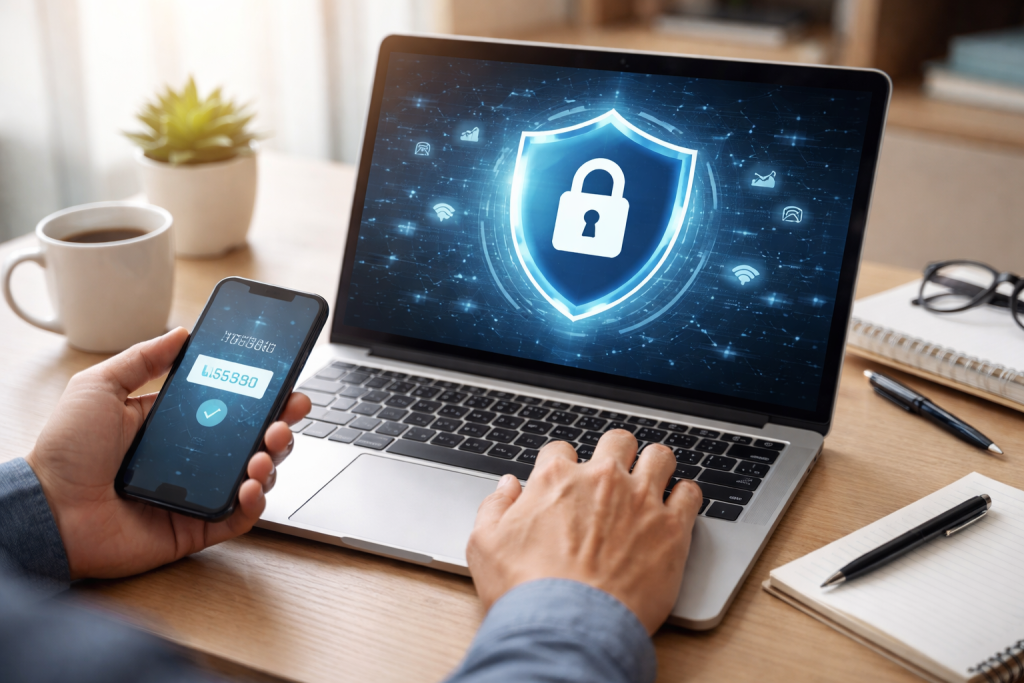
The core of online privacy lies in the right to control what information about ourselves is collected, used, and shared. In the digital realm, this translates to understanding who has access to your browsing history, your personal identifiers, your communications, and your sensitive data. The landscape of online privacy is complex, influenced by technological advancements, evolving legal frameworks, and the constantly shifting strategies of data collectors and cybercriminals. It’s vital to recognize that every click, every submission, and every interaction online leaves a digital footprint. This footprint can be pieced together to create a detailed profile of your habits, preferences, and even your vulnerabilities. Such profiles are valuable to businesses for targeted advertising, but they can also be exploited for more nefarious purposes, including identity theft, fraud, and even harassment.
Contents
- 0.1 The Digital Footprint and Its Implications
- 0.2 Data as the New Oil and the Risks Associated with its Commodification
- 0.3 Tips for Creating Strong and Unique Passwords
- 0.4 The Dangers of Sharing Personal Information Online
- 0.5 How to Safeguard Your Social Media Accounts
- 0.6 Protecting Your Financial Information on the Internet
- 0.7 The Role of Privacy Settings in Maintaining Online Security
- 0.8 Recognizing and Avoiding Phishing Scams
- 0.9 Using Virtual Private Networks (VPNs) for Enhanced Privacy
- 0.10 Safely Managing Cookies and Tracking Technologies
- 0.11 The Impact of Data Breaches on Personal Privacy
- 1 FAQs
The Digital Footprint and Its Implications
Every website you visit, every app you use, and every online transaction you make contributes to your digital footprint. This data can be aggregated and analyzed, revealing intimate details about your life. Marketers use this information to tailor advertisements, but it’s also a goldmine for malicious actors seeking to exploit your trust or steal your identity. The permanence of this digital trail means that even seemingly innocuous information shared years ago can resurface and have unforeseen consequences. Understanding this concept is the first step in taking control of what information is being collected about you and how it is being used.
Data as the New Oil and the Risks Associated with its Commodification
In the modern economy, data has been likened to a new form of currency or even oil, a valuable resource that fuels industries and drives innovation. However, this commodification of personal data presents inherent risks. Companies collect vast amounts of data to improve their services and personalize experiences, but this data is also a prime target for breaches. When this information falls into the wrong hands, the consequences can be devastating, ranging from financial loss to reputational damage. The drive for data collection often outweighs the immediate need for robust security, creating an environment where individuals are constantly at risk.
The foundation of online security often begins with the simplest yet most critical element: your password. A strong password acts as the primary lock on your digital door, and its integrity is paramount. Beyond passwords, the conscious decision about what personal information to share online is equally crucial. Being selective and understanding the potential ramifications of every piece of information you divulge can significantly mitigate your risk.
Tips for Creating Strong and Unique Passwords
The days of simple, easily guessable passwords are long gone. Effective password management requires a multi-layered approach. Aim for passwords that are long, combining uppercase and lowercase letters, numbers, and symbols. Avoid using common words, personal information like birthdays or pet names, or sequential characters. The key is to create something complex enough that it cannot be easily brute-forced or guessed by someone who knows you. Furthermore, using a unique password for every online account is non-negotiable. If one account is compromised, it shouldn’t provide a gateway to all your other digital assets. A password manager can be an invaluable tool in generating, storing, and automatically filling these complex, unique passwords.
The Dangers of Sharing Personal Information Online
It’s a natural inclination to share aspects of our lives online, especially on social media. However, oversharing can be a significant security vulnerability. Information such as your full birthdate, your mother’s maiden name, the name of your first pet, or even details about your daily routines can be used by criminals to answer security questions, impersonate you, or facilitate identity theft. Be mindful of what you post, who you are posting it for, and the potential long-term implications. Think critically before sharing details that could be exploited. It’s also important to understand that information shared publicly can be permanently indexed by search engines, becoming accessible to anyone.
Social media platforms have become integral to our social lives, but they also present unique challenges to our privacy and security. Similarly, the convenience of online banking and shopping requires a heightened awareness of how to protect our financial information.
How to Safeguard Your Social Media Accounts
Social media accounts are often treasure troves of personal information. To protect them, regularly review and adjust your privacy settings. Limit who can see your posts, your friend lists, and your personal details. Be cautious about accepting friend requests from strangers, and be aware of the information you permit apps to access when you link them to your social media profiles. Enabling two-factor authentication (2FA) is a critical step, adding an extra layer of security that requires a second form of verification beyond your password, such as a code sent to your phone. Regularly review your activity logs to spot any unauthorized access.
Protecting Your Financial Information on the Internet
Online financial transactions require the utmost caution. Always ensure you are using secure, encrypted websites, typically indicated by “https” in the URL and a padlock icon in the browser bar. Avoid conducting financial transactions on public Wi-Fi networks, as these are often unencrypted and vulnerable to interception. Use strong, unique passwords for your banking and shopping accounts and consider using a separate, dedicated email address for financial communications. Regularly monitor your bank statements and credit reports for any suspicious activity. Be wary of unsolicited emails or messages asking for your financial details.
Staying secure online isn’t just about reacting to threats; it’s about implementing proactive measures and being equipped to recognize and avoid malicious attempts to compromise your information.
The Role of Privacy Settings in Maintaining Online Security
Privacy settings are your frontline defense on most online platforms. Take the time to thoroughly understand and customize them. On social media, this means controlling who sees your posts, your photos, and your personal data. On your operating system and individual applications, privacy settings can dictate what data is collected, how it is used, and whether it is shared with third parties. Regularly revisiting and updating these settings is essential, as platforms often introduce new features or change default configurations that could impact your privacy. Ignoring these settings is akin to leaving your front door unlocked.
Recognizing and Avoiding Phishing Scams
Phishing scams are a persistent threat, designed to trick you into divulging sensitive information like usernames, passwords, or credit card numbers. These scams often arrive in the form of deceptive emails, text messages, or websites that impersonate legitimate organizations. Look for tell-tale signs such as urgent language, requests for personal information, poor grammar or spelling, and suspicious sender email addresses or URLs. If you receive a suspicious communication, err on the side of caution. Never click on links or download attachments from unknown or untrusted sources. Instead, navigate directly to the organization’s official website or contact them through a known, verified channel to confirm the legitimacy of the request.
Using Virtual Private Networks (VPNs) for Enhanced Privacy
A Virtual Private Network (VPN) is a powerful tool for enhancing online privacy and security. It works by encrypting your internet connection and routing your traffic through a server in a location of your choice, masking your IP address and making it much harder for anyone to track your online activity. This is particularly beneficial when using public Wi-Fi, as it creates a secure tunnel for your data, protecting you from potential eavesdroppers. VPNs can also help bypass geographic restrictions on content and offer a greater sense of anonymity online. However, it’s important to choose a reputable VPN provider with a strong privacy policy.
Safely Managing Cookies and Tracking Technologies
Cookies are small files websites use to store information on your computer, often to remember your preferences or track your browsing habits. While some cookies are essential for website functionality, others are used for targeted advertising and can contribute to a detailed profile of your online behavior. Most web browsers offer settings to manage cookies, allowing you to block them, delete them regularly, or accept them only from trusted sites. Being aware of and actively managing these technologies can significantly reduce the amount of information collected about your online activity. Many browsers also offer “do-not-track” features, though their effectiveness can vary.
The concept of online privacy is also heavily influenced by the reality of data breaches. These incidents, where sensitive information is accessed by unauthorized parties, have become increasingly common and can have profound and long-lasting consequences for individuals.
The Impact of Data Breaches on Personal Privacy
When a data breach occurs, personal information that was entrusted to a company can be exposed to the public. This can include your name, address, financial details, social security number, and even medical records. The consequences of such breaches are far-reaching. Individuals may face identity theft, financial fraud, and significant reputational damage. In some cases, the personal details revealed could even lead to harassment or stalking. Understanding the risk of data breaches reinforces the importance of using strong security measures and being prepared to act if you are notified of a breach that may have affected your information. It also highlights the need for companies to implement robust security protocols and be transparent about their data handling practices. The constant threat of these breaches underscores why privacy matters, not just as an abstract concept, but as a crucial aspect of personal safety and security in the digital age.
FAQs
1. Why is online privacy important?
Online privacy is important because it helps protect individuals from identity theft, fraud, and unauthorized access to personal information. It also ensures that sensitive data, such as financial and medical records, remains secure and confidential.
2. How can I create strong and unique passwords?
To create strong and unique passwords, use a combination of uppercase and lowercase letters, numbers, and special characters. Avoid using easily guessable information, such as birthdays or pet names, and consider using a password manager to generate and store complex passwords.
3. What are the dangers of sharing personal information online?
Sharing personal information online can lead to identity theft, phishing scams, and unauthorized access to sensitive data. It can also result in targeted advertising, invasion of privacy, and potential exploitation by cybercriminals.
To safeguard your social media accounts, use privacy settings to control who can see your posts and personal information. Be cautious about accepting friend requests from unknown individuals, and avoid sharing sensitive details, such as your home address or phone number, publicly.
5. What is the impact of data breaches on personal privacy?
Data breaches can have a significant impact on personal privacy, leading to the exposure of sensitive information, such as credit card numbers and social security numbers. This can result in financial loss, identity theft, and potential harm to an individual’s reputation.

About the Author
Maya Ali is the founder of ByteSolving with experience in technology and digital solutions. His mission is to make technology easier to understand and help people solve everyday tech problems in a simple and practical way.