
Digital Identity Theft: How to Prevent and Recover from It
In today’s interconnected world, our lives are increasingly intertwined with our digital identities. From online banking and shopping to social media and professional networking, nearly every aspect of modern existence leaves a digital footprint. While this digital convenience offers unparalleled opportunities, it also presents a burgeoning threat: digital identity theft. This insidious crime involves the unauthorized acquisition and use of an individual’s personal information, leading to devastating financial, emotional, and reputational consequences. Understanding its nuances, preventing its occurrence, and knowing how to recover are paramount in safeguarding our digital selves.
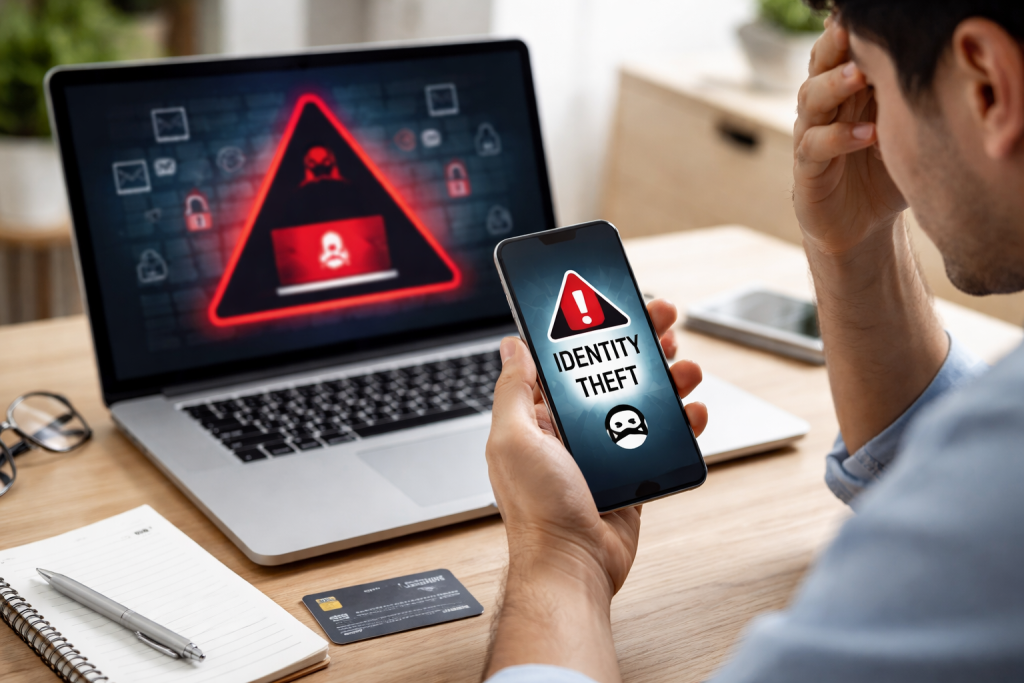
Digital identity theft is a sophisticated crime where cybercriminals steal and misuse an individual’s personal identifying information (PII) for fraudulent purposes. This PII can range from basic details like names and dates of birth to more sensitive data such as social security numbers, bank account details, and credit card numbers. The ultimate goal of these thieves is typically financial gain, whether through opening new lines of credit, making unauthorized purchases, or even filing fraudulent tax returns. However, the impact can extend beyond monetary losses, encompassing damage to reputation, legal issues, and significant stress.
Contents
Common Methods of Digital Identity Theft
Digital identity thieves employ a variety of cunning tactics to compromise personal information. One prevalent method is phishing, where attackers send deceptive emails, text messages, or website pop-ups that mimic legitimate organizations. These messages often contain urgent requests or enticing offers designed to trick victims into clicking malicious links or revealing sensitive data on fake login pages. Another common technique is malware, malicious software that can be unknowingly downloaded onto a device through infected attachments, deceptive websites, or vulnerable software. Once installed, malware can surreptitiously collect personal information, keystrokes, and even grant remote access to the attacker.
Data breaches are also a significant source of stolen identities. Large-scale data breaches, often targeting major corporations or government agencies, expose vast amounts of customer or citizen data. While individuals may not be directly responsible for these breaches, their information can still end up in the hands of criminals. Further, skimming devices, often attached to ATMs or point-of-sale terminals, are designed to clandestinely capture credit or debit card information as it’s being swiped. Less common but equally damaging are tactics like shouldering, where criminals discreetly observe individuals entering PINs or other sensitive information in public places.
Recognizing the early warning signs of digital identity theft is crucial for minimizing damage and enabling a swift recovery. One of the most obvious indicators is unexplained financial activity. This could manifest as unauthorized charges on your credit card statements, withdrawals from your bank account you didn’t make, or even new lines of credit opened in your name. Receiving bills for services you never ordered or unfamiliar collection notices can also point to identity theft.
Another significant red flag is denial of credit or loans, especially if your credit history was previously strong. Identity theft can severely impact your credit score, making it difficult to obtain financing. Furthermore, unusual communication from financial institutions or government agencies, such as notifications about password changes you didn’t initiate or inquiries about suspicious account activity, should always be investigated promptly. Experiencing locked online accounts or being unable to log in to websites you frequently use, even after correctly entering your credentials, can indicate that your passwords have been changed by an unauthorized party. Lastly, discovering new accounts or services opened in your name that you did not authorize, such as utility accounts or mobile phone contracts, is a clear sign that your identity has been stolen.
Proactive measures are the most effective defense against digital identity theft. A strong foundation begins with strong and unique passwords. Each online account should have a complex password, ideally a phrase or a random string of characters, that is not easily guessable and is never reused across multiple platforms. Password managers can greatly assist in generating and securely storing these unique credentials.
Two-factor authentication (2FA) adds an essential layer of security. By requiring a second form of verification, such as a code sent to your phone or a biometric scan, 2FA makes it significantly harder for thieves to access your accounts even if they manage to steal your password. Regularly monitoring your financial accounts and credit reports is also paramount. Review bank statements and credit card bills for any suspicious activity, and obtain free copies of your credit report from the major credit bureaus regularly to check for unauthorized accounts or inquiries.
Being vigilant about phishing attempts is another critical prevention strategy. Always be skeptical of unsolicited emails or messages, especially those demanding immediate action or personal information. Verify the sender’s authenticity before clicking any links or providing data. Furthermore, being mindful of public Wi-Fi networks is important; these unencrypted networks are often insecure, making your data vulnerable to interception by cybercriminals. If you must use public Wi-Fi, consider using a Virtual Private Network (VPN) to encrypt your traffic. Finally, regularly updating your software and operating systems is crucial, as these updates often include security patches that fix vulnerabilities attackers could exploit.
Discovering that your digital identity has been compromised can be terrifying, but a swift and organized response can mitigate the damage. The immediate priority is to secure your accounts. Change passwords for all affected accounts, and any others that share the same credentials. Enable two-factor authentication wherever possible. Contact your bank and credit card companies immediately to report fraudulent activity and cancel compromised cards. Place a fraud alert on your credit report with one of the three major credit bureaus (Equifax, Experian, TransUnion); this will automatically alert the other two, making it harder for thieves to open new accounts in your name.
It’s also crucial to document everything. Keep detailed records of all phone calls, emails, and correspondence related to the identity theft. Note down dates, times, names of people you spoke with, and what was discussed. Gather any evidence of fraudulent activity, such as unauthorized transactions or new accounts. Filing a report with the Federal Trade Commission (FTC) for identity theft is a vital step. The FTC provides a personalized recovery plan and an identity theft report that can be used as official documentation with law enforcement and creditors. Finally, report the crime to your local police department. While they may not be able to actively investigate, obtaining a police report can be beneficial for disputing fraudulent charges and dealing with creditors.
The recovery process from digital identity theft can be prolonged and challenging, but it is achievable with persistence. A primary focus will be restoring your credit. This involves disputing all fraudulent charges and accounts that appear on your credit report. Send written dispute letters to the credit bureaus and the creditors of fraudulent accounts, providing all supporting documentation such as your FTC Identity Theft Report and police report. Follow up regularly to ensure these disputes are processed correctly. Consider placing a credit freeze on your reports, which prevents anyone from accessing your credit file, making it virtually impossible for new credit to be opened in your name without your explicit permission.
Beyond financial recovery, restoring your reputation may also be necessary. If the identity theft involved social media compromise or online impersonation, you might need to contact the platforms to report the fraudulent activity and have fake profiles or content removed. Be prepared to provide proof of your identity. It’s also wise to continue monitoring your financial accounts and credit reports closely for several months, or even years, after the initial incident to ensure no new fraudulent activity emerges. Consider identity theft protection services, which can monitor your credit, provide fraud alerts, and offer assistance with recovery. The journey back to a fully secure digital identity and restored peace of mind requires a methodical approach, perseverance, and ongoing vigilance against future threats.
FAQs
What is digital identity theft?
Digital identity theft is the unauthorized use of someone’s personal information, such as their name, Social Security number, or financial account information, to commit fraud or other crimes online.
What are common methods of digital identity theft?
Common methods of digital identity theft include phishing scams, malware and spyware, data breaches, and social engineering tactics. These methods are used to steal personal information and gain access to financial accounts or sensitive data.
What are signs that your digital identity has been compromised?
Signs that your digital identity has been compromised include unauthorized charges on your financial accounts, unfamiliar accounts or loans opened in your name, receiving bills or collection notices for debts you don’t owe, and unusual activity on your credit report.
How can I prevent digital identity theft?
To prevent digital identity theft, you can take steps such as using strong, unique passwords for your online accounts, enabling two-factor authentication when available, being cautious about sharing personal information online, and regularly monitoring your financial accounts and credit report for suspicious activity.
What should I do if my digital identity is stolen?
If your digital identity is stolen, you should immediately contact your financial institutions and credit reporting agencies to report the theft and place fraud alerts on your accounts. You should also file a report with the Federal Trade Commission and consider seeking legal or credit counseling assistance to help restore your credit and reputation.

About the Author
Maya Ali is the founder of ByteSolving with experience in technology and digital solutions. His mission is to make technology easier to understand and help people solve everyday tech problems in a simple and practical way.