Cybersecurity 101: Simple Steps to Stay Safe and Secure Online
In our increasingly interconnected world, digital interactions have become the norm, shaping how we communicate, work, shop, and entertain ourselves. This constant flow of information, while immensely beneficial, also presents significant risks. Cybersecurity is no longer a niche concern for IT professionals; it’s a fundamental aspect of modern life. Understanding the basics of cybersecurity equips individuals with the knowledge and tools to navigate the digital landscape safely, protecting themselves from a myriad of threats that can compromise personal data, financial stability, and even one’s reputation. The importance of cybersecurity in today’s digital world cannot be overstated. It forms the invisible shield that allows us to operate online with a reasonable degree of confidence, ensuring that our sensitive information remains private and our digital assets are secure. Without these foundational practices, we become vulnerable to increasingly sophisticated cyberattacks, ranging from minor annoyances to devastating breaches.
At its core, cybersecurity is about protecting digital systems, networks, and data from unauthorized access, theft, damage, or disruption. It encompasses a broad range of technologies, processes, and practices designed to safeguard sensitive information, maintain the integrity of digital operations, and ensure the availability of digital resources. For the average user, this translates to adopting practical habits that create multiple layers of defense against common online threats. It’s not about becoming a hacking expert, but rather about understanding the most prevalent risks and implementing simple yet effective countermeasures.
Contents
- 0.1 The Ever-Present Threats We Face
- 0.2 Why Cybersecurity Matters to Everyone
- 0.3 Crafting Unbreakable Passwords
- 0.4 The Power of Two-Factor Authentication
- 0.5 Recognizing and Evading Phishing Attacks
- 0.6 Protecting Your Digital Footprint
- 0.7 The Essential Role of Antivirus Software
- 0.8 Securing Your Home Wi-Fi Network
- 0.9 Safely Navigating Social Media
- 0.10 The Importance of Continuous Learning and Education
- 1 FAQs
- 1.1 What is cybersecurity and why is it important?
- 1.2 How can I create strong and unique passwords?
- 1.3 What are phishing scams and how can I recognize and avoid them?
- 1.4 Why is it important to install and update antivirus software?
- 1.5 How can I protect my personal information online and safely use social media?
- 1.6 About the Author
The Ever-Present Threats We Face
The digital realm, while offering boundless opportunities, is also a hunting ground for malicious actors. These individuals and groups employ a variety of tactics to exploit vulnerabilities and achieve their objectives, which can range from financial gain through identity theft or ransomware to political disruption or even espionage. Understanding the nature of these threats is the first step in effectively defending against them. Common adversaries include individual hackers seeking personal profit, organized cybercrime syndicates operating on a global scale, and even state-sponsored actors with more complex agendas. The methods they employ are constantly evolving, adapting to new technologies and user behaviors, making continuous vigilance and education essential.
Why Cybersecurity Matters to Everyone
The impact of a cybersecurity breach can be far-reaching and devastating, extending beyond the immediate victim. For individuals, compromised personal information can lead to identity theft, fraudulent financial transactions, and reputational damage. For businesses, a breach can result in significant financial losses due to downtime, recovery costs, regulatory fines, and the erosion of customer trust. In a broader societal context, cyberattacks can disrupt critical infrastructure, from power grids to financial systems, with potentially catastrophic consequences. Therefore, cultivating a robust cybersecurity posture is not merely a personal preference; it is a collective responsibility that benefits everyone who participates in the digital ecosystem.
One of the most basic, yet critical, elements of online security is the password. It serves as the primary gatekeeper to our digital lives, and its strength directly correlates to the security of our accounts. Weak or reused passwords are akin to leaving your front door unlocked, inviting potential intruders.
Crafting Unbreakable Passwords
Creating strong and unique passwords is not as complicated as it might seem. The key is to move away from easily guessable information like birthdays, pet names, or common words. Instead, focus on length and complexity. A good password is typically at least twelve characters long and incorporates a mix of uppercase and lowercase letters, numbers, and special characters. Think of it as a passphrase, a memorable sentence that you then modify. For example, “MyFavoriteColorIsBlue123!” is more secure than “blue123”. The goal is to make it difficult for both humans and machines to guess or brute-force.
The Power of Two-Factor Authentication
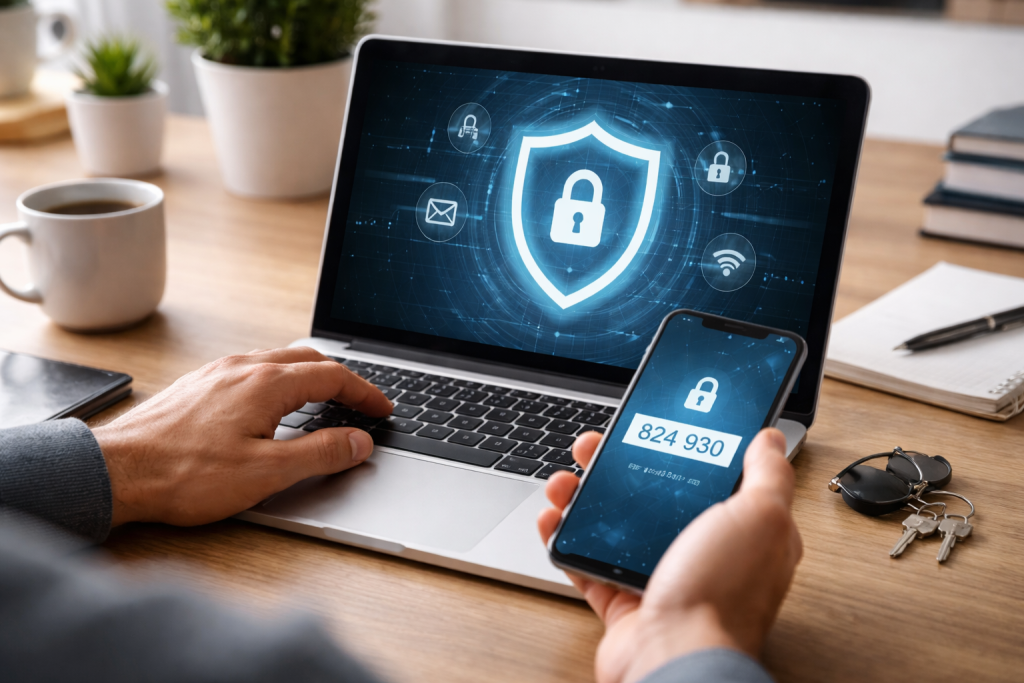
While strong passwords are vital, they are not infallible. This is where two-factor authentication (2FA), also known as multi-factor authentication (MFA), becomes a game-changer for added security. 2FA requires more than just a password to verify your identity. It typically involves a second layer of verification, such as a code sent to your mobile phone, a fingerprint scan, or a physical security key. This means that even if someone manages to steal your password, they still won’t be able to access your account without the second authentication factor, significantly reducing the risk of unauthorized access. Enabling 2FA on all your accounts, especially those holding sensitive information like banking or email, is one of the most impactful security measures you can take.
The internet is a vast sea of information, but not all of it is trustworthy. Malicious actors often exploit our trust and the ease with which information can be disseminated to perpetrate scams and steal our personal data. Developing a discerning eye and understanding common scam tactics is crucial.
Recognizing and Evading Phishing Attacks
Phishing scams are one of the most prevalent threats online. These attacks typically involve deceptive emails, text messages, or websites designed to trick you into revealing sensitive information, such as login credentials, credit card numbers, or social security numbers. Phishing attempts often mimic legitimate organizations, like your bank, a popular online retailer, or a government agency. Look out for urgent language, grammatical errors, suspicious email addresses, and requests for personal information. Never click on links or download attachments from unsolicited or suspicious communications. When in doubt, always go directly to the official website of the organization in question by typing its address manually into your browser, rather than clicking a link in an email.
Protecting Your Digital Footprint
Every online interaction leaves a trace. Protecting your personal information online means being mindful of what you share and with whom. This includes being cautious about the information you provide on websites, in online forms, and on social media platforms. Review the privacy settings of your online accounts regularly, limiting who can see your posts and personal details. Be wary of online quizzes or surveys that ask for a lot of personal information, as these can sometimes be fronts for data collection. Understanding that once information is online, it can be difficult to remove entirely, emphasizes the importance of responsible sharing.
Beyond passwords and awareness, technical measures play a vital role in cybersecurity. Keeping your software up-to-date and securing your home network create a strong foundation of digital defense.
The Essential Role of Antivirus Software
Antivirus software is your digital immune system, designed to detect, prevent, and remove malware, viruses, and other malicious software from your devices. Malware can range from annoying adware that bombards you with pop-ups to destructive ransomware that locks your files and demands payment. It is essential to install reputable antivirus software on all your devices, including computers, smartphones, and tablets. More importantly, ensure that the antivirus software is kept updated. These updates not only add new virus definitions but also patch vulnerabilities that attackers might exploit. Regular scans can help identify and neutralize threats before they can cause significant damage.
Securing Your Home Wi-Fi Network
Your home Wi-Fi network is your gateway to the internet, and if it’s not secured, it can be an open door for attackers. Weak or default Wi-Fi passwords are an invitation for unauthorized access, allowing others to use your internet connection, potentially for illegal activities, or even to intercept your data. Change your router’s default administrator password immediately. Use a strong, unique password for your Wi-Fi network itself, preferably using WPA2 or WPA3 encryption. Consider changing the network name (SSID) from its default to something less generic. Regularly check the list of connected devices on your router’s administration page to ensure no unknown devices are present.
Cybersecurity is not a one-time fix; it’s an ongoing process of learning and adaptation. As technology evolves and threats become more sophisticated, so too must our understanding and practices.
Social media platforms, while great for connecting with friends and family, also present unique security risks. Oversharing personal information can make you a target for identity theft or social engineering attacks. Be mindful of what you post, including your location, daily routines, and personal details. Scrutinize friend requests, especially from unknown individuals. Be cautious about clicking on links that appear in social media feeds, as these can lead to malicious websites or phishing attempts. Many social media platforms offer robust privacy settings; take the time to review and customize them to your comfort level.
The Importance of Continuous Learning and Education
The digital landscape is constantly changing, and so are the threats that lurk within it. Staying informed about the latest cybersecurity risks and best practices is paramount. Many reputable sources offer free cybersecurity resources, from government agencies to cybersecurity organizations. Educating yourself is the first step, but it’s equally important to share this knowledge with others, especially vulnerable individuals like children and the elderly. By fostering a culture of cybersecurity awareness, we collectively build a more resilient online environment. Understanding the basics, creating strong defenses, and staying informed are not just recommendations; they are essential components of navigating the digital world safely and securely in the 21st century.
FAQs
What is cybersecurity and why is it important?
Cybersecurity refers to the practice of protecting systems, networks, and programs from digital attacks. It is important because it helps to prevent unauthorized access to data, maintains the integrity of systems and networks, and protects against cyber threats such as malware and phishing scams.
How can I create strong and unique passwords?
To create strong and unique passwords, use a combination of letters, numbers, and special characters. Avoid using easily guessable information such as your name, birthdate, or common words. Consider using a password manager to generate and store complex passwords for different accounts.
What are phishing scams and how can I recognize and avoid them?
Phishing scams are fraudulent attempts to obtain sensitive information, such as usernames, passwords, and credit card details, by disguising as a trustworthy entity in electronic communication. To recognize and avoid phishing scams, be cautious of unsolicited emails or messages requesting personal information, verify the legitimacy of the sender, and avoid clicking on suspicious links or attachments.
Why is it important to install and update antivirus software?
Installing and updating antivirus software is important because it helps to protect your devices from viruses, malware, and other online threats. Regular updates ensure that the antivirus software can detect and defend against the latest cyber threats.
To protect your personal information online, be cautious about the information you share on social media, adjust privacy settings to limit who can see your posts and personal details, and be mindful of the links and requests you click on. Additionally, avoid oversharing personal information and consider the potential consequences of sharing sensitive details online.

About the Author
Maya Ali is the founder of ByteSolving with experience in technology and digital solutions. His mission is to make technology easier to understand and help people solve everyday tech problems in a simple and practical way.