Say Goodbye to Spyware: Easy Steps to Protect Your Privacy
The insidious threat of spyware lurks in the digital shadows, a silent intruder capable of pilfering your most sensitive information. From financial details and passwords to personal conversations and browsing habits, spyware can transform your devices into covert surveillance tools, compromising your privacy and potentially your security. Understanding how this malicious software operates and implementing robust preventative measures is paramount in today’s interconnected world.
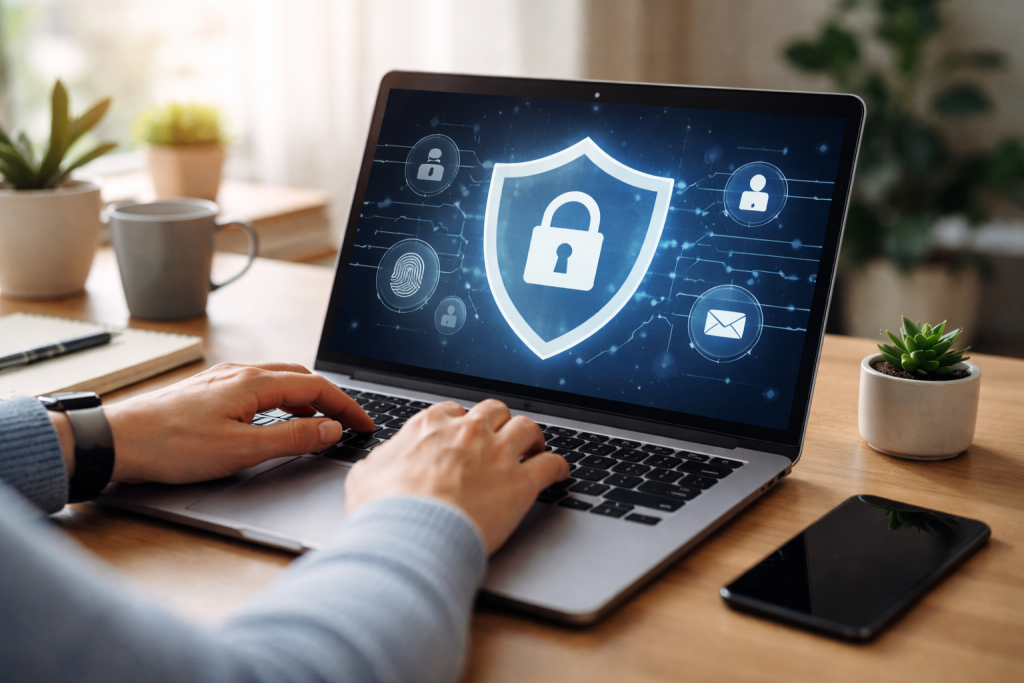
Spyware, in its essence, is a type of malware designed to gather information about a person or organization without their knowledge or consent. It can manifest in various forms, each with its unique modus operandi and objective. Some spyware aims to track your internet usage, collecting data on the websites you visit, your search queries, and even the products you view online. This information is often sold to advertisers or data brokers, leading to highly targeted and sometimes intrusive marketing.
Other, more malicious forms of spyware can be far more damaging. Keyloggers, for instance, record every keystroke you make, allowing attackers to glean passwords, credit card numbers, and other confidential data. Screen-capture spyware takes periodic screenshots of your desktop, potentially capturing sensitive information displayed on your screen. Adware, while often less insidious, can bombard you with unwanted pop-up ads and redirect your browser to specific websites, often tracking your activity in the process. Then there’s infostealer malware, which specifically targets and extracts credentials, financial details, and other personal data stored on your device. The primary goal of all spyware, regardless of its specific function, is to extract information, and its presence can lead to identity theft, financial fraud, and a profound erosion of personal privacy.
Contents
- 0.1 The Genesis and Evolution of Spyware
- 0.2 The Human Cost of Spyware
- 0.3 Behavioral Anomalies of Infected Systems
- 0.4 Verification and Diagnosis Steps
- 0.5 The Art of Password Creation and Management
- 0.6 The Indispensable Role of Two-Factor Authentication
- 0.7 Minimizing Your Digital Footprint
- 0.8 Empowering Through Education and Awareness
- 1 FAQs
- 1.1 1. What is spyware and why is it a threat to my privacy?
- 1.2 2. How can I identify signs of spyware on my devices?
- 1.3 3. What are some easy steps to protect my privacy from spyware?
- 1.4 4. How do I choose the right anti-spyware software?
- 1.5 5. What are some tips for protecting my personal information and taking control of my privacy online?
- 1.6 About the Author
The Genesis and Evolution of Spyware
The concept of covert data collection isn’t new, but its digital manifestation truly began to flourish with the advent of pervasive internet access. Early forms of spyware were often bundled with legitimate software, surreptitiously installing themselves alongside a desired application. As internet speeds increased and software became more complex, so too did the sophistication of spyware. Today, spyware developers employ advanced techniques, including polymorphic code to evade detection, rootkits to hide their presence deep within the operating system, and zero-day exploits to leverage newly discovered vulnerabilities before patches are available. The evolution of spyware mirrors the arms race between cybercriminals and cybersecurity professionals, with each advancement on one side being met with a counter-measure on the other. This ongoing battle underscores the need for continuous vigilance and adaptation in our digital defenses.
The Human Cost of Spyware
Beyond the technical aspects, it’s crucial to acknowledge the profound human cost of spyware. The feeling of being watched, of having your personal space invaded, can be deeply unsettling. For individuals whose personal information is compromised, the consequences can range from financial hardship and legal battles to reputational damage and emotional distress. Identity theft, a common outcome of successful spyware attacks, can take years to resolve, causing immense frustration and anxiety. Furthermore, the awareness that your conversations, preferences, and even your thoughts might be accessible to unknown entities can lead to a chilling effect, discouraging open communication and genuine self-expression online. The fight against spyware is not just about protecting data; it’s about safeguarding fundamental human rights to privacy and security.
Detecting spyware can be challenging, as it’s designed to operate stealthily. However, there are often tell-tale signs that indicate your device might be compromised. A noticeable decrease in performance, such as your computer running significantly slower than usual, applications crashing frequently, or your browser experiencing unexpected redirects, could all be red flags. Increased internet usage, even when you’re not actively browsing or downloading, might signal that spyware is transmitting data in the background.
Unexpected pop-up ads, especially if they appear when your browser is closed, are another classic symptom. Changes to your browser’s homepage, toolbar, or search engine without your consent are also strong indicators. Your device’s battery life diminishing rapidly, unusual activity on your social media accounts or email, or seeing unfamiliar icons in your system tray or task manager could also point to a spyware infection. If your security software is disabled or malfunctioning, or if you’re receiving unusual error messages, it’s time to investigate further.
Behavioral Anomalies of Infected Systems
Beyond the immediate symptoms, an infected system often exhibits a range of behavioral anomalies that collectively paint a picture of compromise. These can include frequent system freezes or crashes that are inexplicable by other means, files mysteriously disappearing or reappearing, or even phantom keyboard inputs. The cooling fans on your laptop or desktop might spin up to maximum even when the machine is idle, indicating that a hidden process is consuming significant CPU resources. You might also notice unusual network activity, such as unexplained data transfers or connections to unfamiliar IP addresses, visible through network monitoring tools. Pay attention to these subtle shifts in your device’s normal operation; they are often the silent cries for help from a compromised system.
Verification and Diagnosis Steps
If you suspect spyware, the first step is to disconnect your device from the internet to prevent further data transmission. Then, boot your computer into safe mode with networking, as this often disables startup programs, including some spyware. Run a full scan with a reputable anti-spyware program, ensuring its definitions are up to date. It can also be beneficial to use a secondary, independent malware scanner for cross-verification. Check your system’s running processes and startup programs for any unfamiliar or suspicious entries. Review your network connections and firewall logs for unusual outbound traffic. If you’re technically adept, examining system logs can sometimes reveal unusual activities or errors that point to an infection. Remember, patience and thoroughness are key during this diagnostic phase.
Selecting effective anti-spyware software is a critical component of your digital defense strategy. Not all security programs are created equal, and some are more adept at detecting and removing specific types of threats than others. Look for software that offers real-time protection, meaning it actively monitors your system for suspicious activity and blocks threats before they can establish a foothold. Heuristic analysis, which can identify new or unknown threats based on their behavior, is also a valuable feature.
Top-tier anti-spyware solutions often include complementary features such as firewall protection, phishing prevention, and secure browsing tools. Furthermore, prioritize software that receives regular updates to its virus definitions and scanning engines, as new threats emerge daily. Read independent reviews from reputable cybersecurity organizations and consider solutions that have consistently high detection rates and minimal false positives. While free anti-spyware tools can offer basic protection, paid versions typically provide more comprehensive features, better support, and more frequent updates, which can be a worthwhile investment in your privacy.
Even the most sophisticated anti-spyware software can be circumvented if your accounts are protected by weak passwords. Strong passwords are the first line of defense against unauthorized access to your online accounts. They should be long, complex, and unique for each service. A strong password typically includes a combination of uppercase and lowercase letters, numbers, and special characters. Avoid using easily guessable information like birthdays, names, or common words.
However, even strong passwords can be compromised through phishing attacks or data breaches. This is where two-factor authentication (2FA) becomes an indispensable layer of security. 2FA requires you to provide a second form of verification, such as a code sent to your mobile phone or a fingerprint scan, in addition to your password. Even if an attacker manages to get hold of your password, they won’t be able to access your account without this second factor. Enable 2FA on all your critical accounts, including email, social media, banking, and cloud storage services.
The Art of Password Creation and Management
Crafting strong passwords can feel like a chore, but it’s an art form that pays dividends in security. Forget easily remembered sequences or personal trivia. Embrace passphrases – longer sequences of unrelated words that are easier for you to remember but exponentially harder for computers to brute-force. Consider using a password manager, which can generate complex, unique passwords for each of your accounts and securely store them, requiring you to only remember one master password. This not only enhances security but also simplifies password management significantly. Regularly reviewing and updating your passwords, especially after any reported data breaches affecting services you use, is another crucial habit to cultivate.
The Indispensable Role of Two-Factor Authentication
Two-Factor Authentication isn’t merely a recommendation; it’s a fundamental security requirement in the modern digital landscape. By adding an extra layer of verification, often something you possess (like your phone or a hardware key) or something you are (like your fingerprint), 2FA dramatically reduces the risk of account compromise. Even if a cybercriminal successfully phishes your password, without that second factor, your account remains secure. This simple yet highly effective measure can be the difference between a secure online presence and a devastating data breach. Prioritize enabling 2FA on every account that offers it as a standard security practice.
Protecting your personal information goes beyond just defending against spyware; it requires a proactive and holistic approach to your digital footprint. Be mindful of what you share online, both on social media and through other platforms. Every piece of information you post, from your location to your personal opinions, can be aggregated and used to build a comprehensive profile about you. Think before you click, share, or post.
Regularly review the privacy settings on your social media accounts and other online services, ensuring they align with your comfort level. Opt for the most restrictive settings when possible. Be wary of granting excessive permissions to apps on your smartphone or computer; evaluate whether an app truly needs access to your camera, microphone, or contacts. Consider using privacy-focused browsers and search engines that minimize data collection. Furthermore, educate yourself and your family about common phishing scams, social engineering tactics, and the dangers of oversharing personal information online. Ultimately, reclaiming and maintaining your privacy in the digital age is an ongoing commitment to awareness and responsible online behavior.
Minimizing Your Digital Footprint
Every interaction you have online leaves a trace, contributing to your digital footprint. To truly take control of your privacy, you must actively work to minimize this footprint. This means being judicious about the websites you visit, the accounts you create, and the information you provide. Consider using temporary email addresses for non-essential sign-ups. Regularly delete old, unused accounts and unsubscribe from newsletters you no longer read. Be cautious about participating in online quizzes or surveys that ask for extensive personal details, as these are often data-gathering tactics. Embrace the principle of “data minimalism” – only share or create what is absolutely necessary, and regularly audit your online presence to identify and remove any unnecessary or outdated information.
Empowering Through Education and Awareness
The most potent weapon in the fight for privacy is knowledge. Educating yourself and your family about the evolving threats and best practices for online safety is paramount. Hold family discussions about the importance of strong passwords, the dangers of clicking suspicious links, and the pervasive nature of online surveillance. Teach younger family members how to identify phishing attempts and the risks associated with sharing personal information with strangers online. Encourage critical thinking about the content they consume and the requests they receive online. By fostering a culture of cybersecurity awareness within your household, you create a stronger, more resilient defense against the myriad of threats that seek to compromise your privacy. The digital world is constantly changing, and continuous learning is the cornerstone of effective privacy protection.
FAQs
1. What is spyware and why is it a threat to my privacy?
Spyware is a type of malicious software that is designed to secretly gather information about a person or organization and transmit it to another entity without the user’s consent. It can track your online activities, capture keystrokes, steal personal information, and even take control of your device. This poses a serious threat to your privacy and can lead to identity theft, financial loss, and other security issues.
2. How can I identify signs of spyware on my devices?
Signs of spyware on your devices may include a sudden decrease in performance, unexpected pop-up ads, changes to your homepage, unfamiliar toolbars or icons, and unexplained data usage. If you notice any of these signs, it’s important to take action to remove the spyware and protect your privacy.
3. What are some easy steps to protect my privacy from spyware?
Some easy steps to protect your privacy from spyware include using strong passwords and two-factor authentication, keeping your software and operating system updated, avoiding suspicious links and downloads, using a virtual private network (VPN) for added security, regularly scanning your devices for spyware, and educating yourself and your family on online safety.
4. How do I choose the right anti-spyware software?
When choosing anti-spyware software, look for a reputable and trusted program that offers real-time protection, automatic updates, and regular scans. It should also have a user-friendly interface and good customer support. Reading reviews and doing research on different anti-spyware options can help you make an informed decision.
5. What are some tips for protecting my personal information and taking control of my privacy online?
Some tips for protecting your personal information and taking control of your privacy online include being cautious about the information you share online, using privacy settings on social media and other platforms, being mindful of the permissions you grant to apps and websites, and being selective about the websites you visit and the links you click on. Additionally, regularly reviewing and updating your privacy settings, using secure and unique passwords for different accounts, and being aware of common online scams can help safeguard your personal information.

About the Author
Maya Ali is the founder of ByteSolving with experience in technology and digital solutions. His mission is to make technology easier to understand and help people solve everyday tech problems in a simple and practical way.